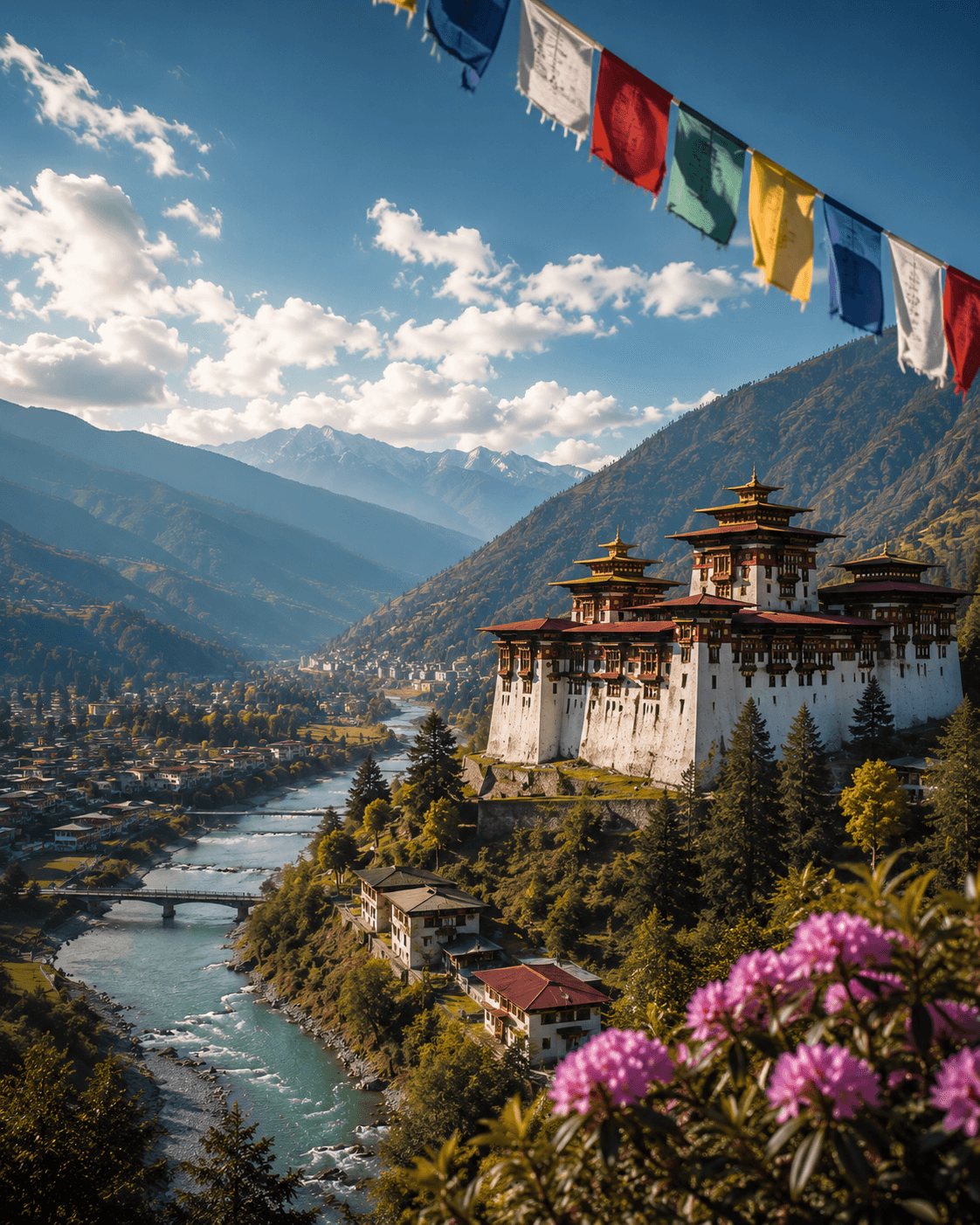
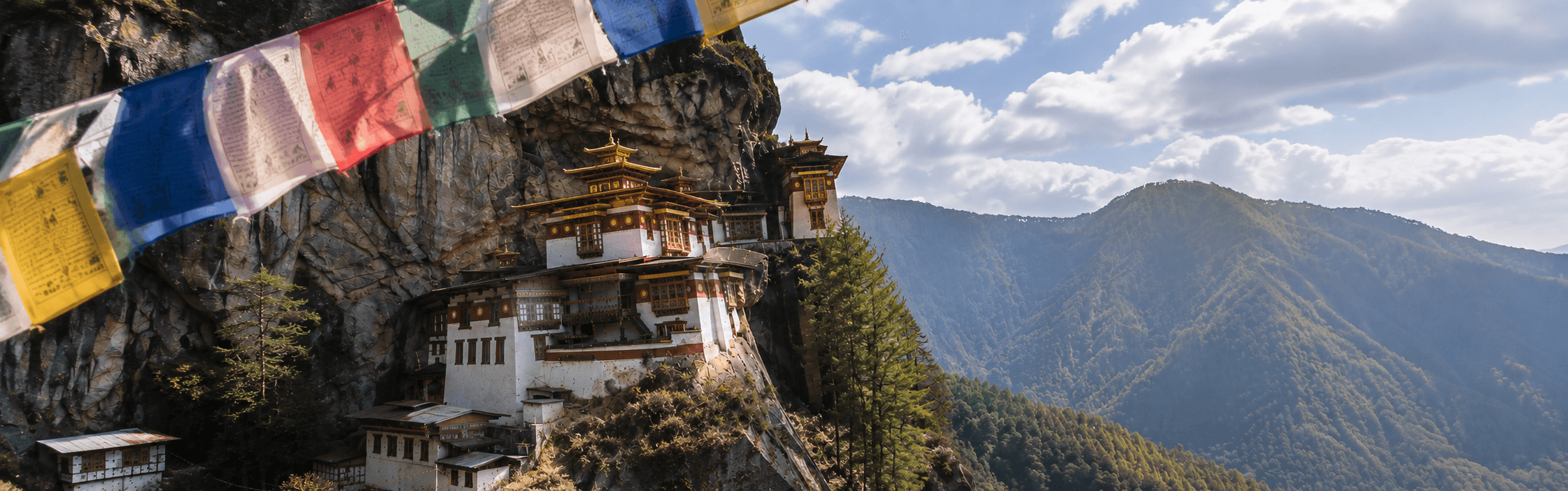
Why Bhutan Treats Tourists Differently Than the Rest of the World
Most countries want more tourists. More visitors, more money, simple. Bhutan has spent the last fifty years doing the opposite on purpose.
It's the country that charges you a government fee just for being there. Not for a tour, not for a hotel, not for anything you do. Just for existing inside its borders. Right now, that fee is $100 a night, and it stacks on top of everything else you're already paying for.
That number stops people cold. It sounds like a cash grab, or a velvet rope for rich travelers only. It's actually neither. It's the visible part of a much older bet: that a small country can be worse off in tourist numbers and better off in almost everything else. Whether that bet is paying off is a messier story than the price tag lets on.
What Is This Fee, Exactly?

It's called the Sustainable Development Fee, or SDF for short. Most foreign visitors pay $100 per person, for every night they're in the country. That rate is locked in until August 2027. Most people also pay a one-time $40 visa fee, and since 2026, a 5% tax on things like hotels and guides.
| Fee | Amount | Notes |
|---|---|---|
| Sustainable Development Fee | US$100 per adult, per night | Reduced from US$200; valid until 31 Aug 2027 |
| Visa fee | US$40 per person, per trip | One-time visa application fee |
| Tourism Service Tax | 5% | Applies to hotels, guides, transport, etc.; not to the SDF |
| Fee for Indian visitors | About $15 a night | Special regional rate |
| Children | Under 6: Free; Ages 6–11: 50% SDF; 12+: Full SDF | Applies to the SDF |
None of this includes your actual trip. You still pay separately for hotels, food, a guide, and a driver, and Bhutan requires every foreign visitor to book through a licensed local operator. Add it all up and a full trip usually runs somewhere between $250 and $2,000 a night, depending on how fancy you go, before you even count the SDF.
Why Did Bhutan Start Doing This?
This isn't some recent tourist-tax trend. Bhutan opened its doors to visitors back in 1974, under its fourth king, Jigme Singye Wangchuck. At a time when other developing countries were chasing as many tourists as possible for quick cash, Bhutan picked a different path and gave it a name: "High Value, Low Volume."
The thinking behind it wasn't really about tourism at all. It came from a bigger idea the king pushed around the same time: Gross National Happiness. The idea is that a country's success should be measured by how well its people are doing, how intact its culture stays, and how healthy its environment is, not just by how fast its economy grows. Under that thinking, a flood of tourists wasn't automatically good news. It might bring in money fast, but it could also wear down the very culture and land the country wanted to protect. So Bhutan built a price tag into the front door instead of an open one.
How the Fee Has Changed Over Time
The system used to work differently. For years, tourists paid one bundled daily rate that covered hotels, meals, transport, and a guide all together, with part of that going to the government. That setup was scrapped in 2022. Now the government fee is collected on its own, separate from your actual trip costs, which lets tour companies compete more freely on price and quality instead of being locked into one fixed rate.
Where Does the Money Go?
Bhutan's government says the fee pays for three things: free healthcare and education for its own citizens, protecting the environment, and building infrastructure. The country has a rule written into its constitution that at least 60% of its land must stay forested, and tourism money helps pay for that. It's part of why Bhutan is often called the world's only carbon-negative country.
But this only works if enough people actually show up and pay. In 2019, before the pandemic, around 316,000 tourists visited and the fee brought in roughly $88.6 million. After Bhutan reopened and tripled the fee, arrivals crashed and so did the money. In 2025, the country collected about $43.31 million from the fee, real progress compared to the year before, but still less than half of what it made back in 2019.
Why Do Indian Visitors Pay So Much Less?

Indian nationals pay about $15 a night instead of $100, and this is the detail that annoys other travelers the most when they hear about it. The lower rate exists for political and geographic reasons. Bhutan sits sandwiched between India and China, and it has close security and diplomatic ties with India, plus open land crossings that existed long before today's fee system.
The effect is hard to miss. Indian visitors make up the largest group of tourists to Bhutan by a wide margin, roughly 6 in 10 arrivals in 2025. Because the fee barrier is so much lower for them, some of Bhutan's most popular sites have felt busier than the "exclusive, uncrowded" image the country tries to sell. It's a real tension in the whole system: a fee steep enough to keep out most Western travelers, next to a much smaller fee for the one country sending the most visitors of all.
What Happened When the Fee Doubled to $200?
When Bhutan reopened after the pandemic in September 2022, it didn't just revive its old tourism system. It raised the Sustainable Development Fee from $65 to $200 a night, creating what was widely considered the world's highest tourism levy. The government said the increase would support sustainable development and help rebuild tourism after Covid.
The results were mixed. Bhutan welcomed over 315,000 visitors in 2019, but only around 56,000 international tourists arrived in 2023. While the higher fee likely discouraged many travelers, the country was also recovering from nearly three years of border closures. Local guides, guesthouses, and tour operators reported a sharp drop in bookings. In response, Bhutan cut the fee to $100 a night in September 2023, where it remains today.
The episode showed that a very high entry fee doesn't automatically bring fewer, higher-spending tourists—it can simply mean fewer visitors overall, leaving local tourism businesses to absorb the biggest impact.
Is It Working in 2026?

Visitor numbers have bounced back since the fee dropped to $100. Bhutan welcomed around 210,000 tourists in 2025, up 44% from about 145,000 the year before. That's real recovery, even if it's still well below the 2019 peak.
But recovery has also brought new challenges. As tourism grows again, Bhutan is trying to make sure the industry's benefits reach local communities while staying true to its "High Value, Low Volume" approach.
- More travelers are booking through international online platforms, creating pressure for Bhutanese hotels and tour operators to stay competitive and retain a larger share of tourism revenue.
- The government has continued refining its digital payment and tourism systems to improve transparency and make fee collection more efficient.
- Border towns like Phuentsholing remain major gateways for Indian visitors, highlighting the importance of balancing rising visitor numbers with opportunities for local Bhutanese businesses.
None of this means the basic idea has failed. Bhutan is still one of the few countries willing to treat tourist numbers as something to manage rather than maximize, and many visitors accept the fee once they understand what it funds. But the next challenge isn't just setting the right price—it's ensuring the money tourists spend continues to support Bhutan's people, culture, and environment, just as the policy was designed to do.
A Different Way to Welcome Tourists
Bhutan's tourist fee was never really about the number on the receipt. It's a fifty-year bet that a country can choose fewer visitors over more cash, and that the choice is worth making even when it costs money in the short run, which it clearly did when the fee tripled in 2022. The 2026 story isn't that the idea was wrong. It's that pricing people out is the easy part. Making sure the right money ends up in the right hands afterward is the part Bhutan is still figuring out.
For travelers, the practical advice hasn't changed much: treat the $100 a night as the starting cost of the trip, not an extra fee tacked on at the end. In return, you get smaller crowds, licensed local guides, and a country that would rather you stay a week and mean it than rush through in a weekend.


