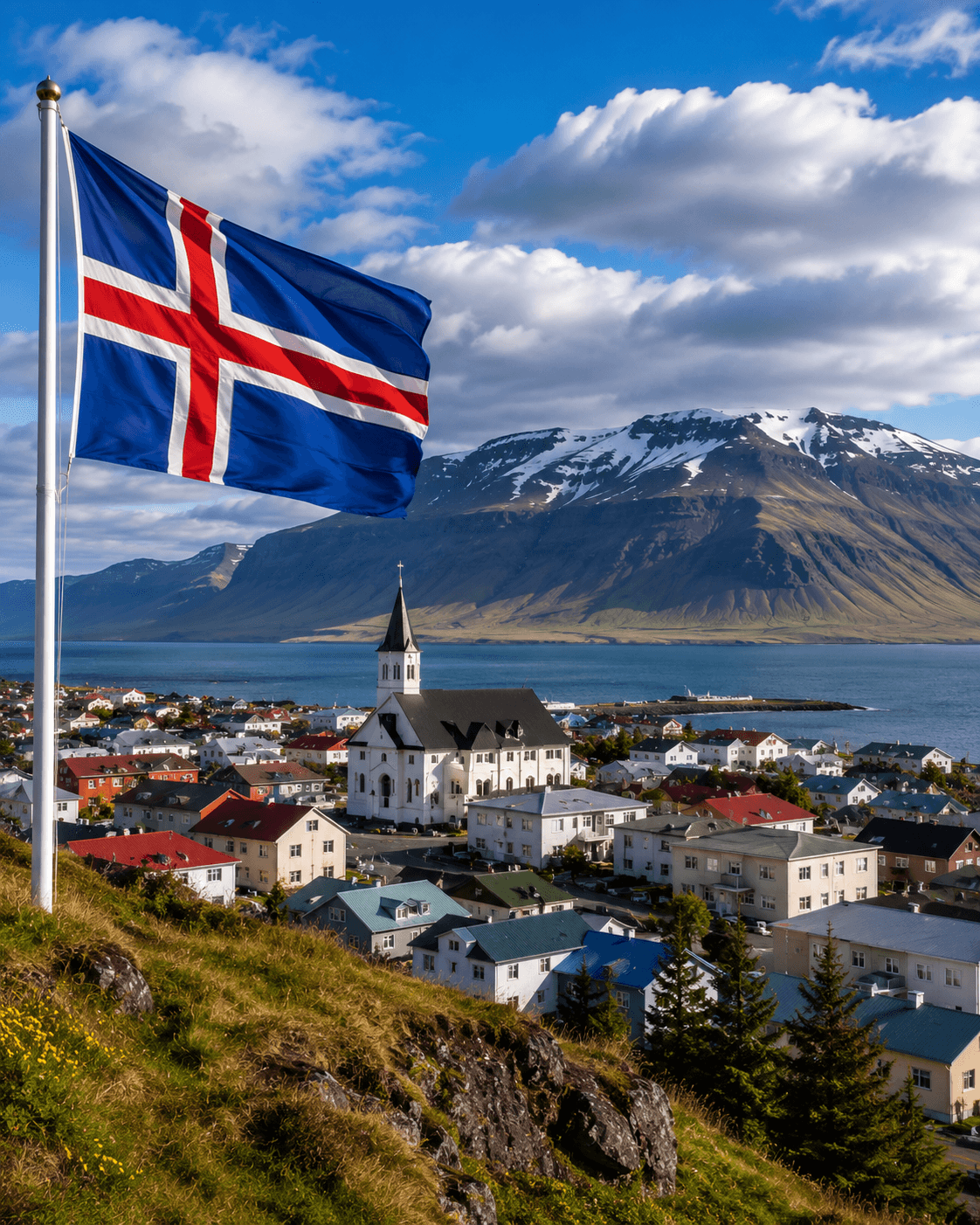
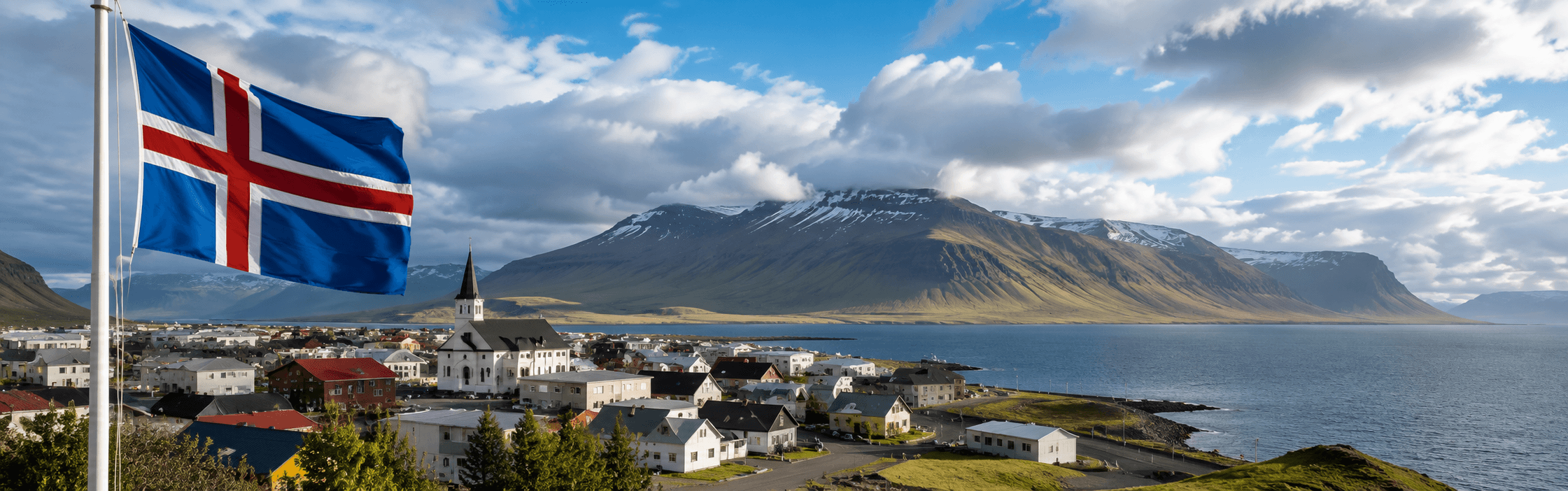
Why Is Iceland One of the Fastest-Growing Destinations?
A country of fewer than 400,000 residents now welcomes just under 2.3 million foreign overnight visitors every year, roughly six tourists for every person who lives there. No mega theme parks. No tropical beaches. Just volcanoes, glaciers, waterfalls and landscapes unlike almost anywhere else on Earth.
Iceland's tourism boom did not happen overnight. Annual foreign visitor numbers grew from around 500,000 in 2010 to more than 2 million before the pandemic, collapsed during COVID-19, and have since recovered to almost match the country's record year. Today tourism is one of Iceland's largest export industries, and the conversation has shifted from attracting more visitors to managing them sustainably.
So what actually caused this rise? It was not just beautiful scenery. It was a combination of global events, smart marketing, improved air connections, and social media arriving at exactly the right moment.

At a glance
- Best months June to August, or February to March Warm weather, or auroras
- Typical daily budget US$250 to $400+ Roughly ₹22,000 to ₹35,000
- The one highlight Northern lights and geothermal landscapes
- Entry for Indians Schengen visa Same one that covers 28 other countries
Rupee figures are approximate and move with the exchange rate. Check the live rate before budgeting.
- How many tourists visit Iceland today?
- Why did the boom happen?
- Is Iceland facing overtourism?
- Where do most visitors come from?
- What does this mean for travellers?
How many tourists visit Iceland today?
According to the Icelandic Tourist Board, Iceland welcomed just under 2.3 million foreign overnight visitors in 2025, bringing numbers back to almost the record levels seen before the pandemic.
Current forecasts suggest 2026 will be broadly similar to 2025 rather than another year of explosive growth. Islandsbanki expects visitor numbers to remain close to last year's level, with a slight increase possible if strong summer demand continues.
From half a million to more than two million
- 2010 ~500,000
- 2018 ~2.3m
- 2020 Collapse
- 2025 ~2.3m
By 2025 Iceland had regained almost 98% of its 2018 record, one of Europe's strongest tourism recoveries. Bars are scaled to the 2018 peak.
Why these numbers matter
With a population of about 390,000, Iceland receives roughly six foreign visitors for every resident each year. Few countries combine such a small population with such a large tourism industry, which is why tourism now contributes significantly to national exports.
Why did Iceland's tourism boom happen?

There was no single turning point. Several trends came together at once.
Extraordinary natural landscapes
Few destinations offer glaciers, volcanoes, black-sand beaches, geothermal lagoons, waterfalls, lava fields and the northern lights within a relatively small area. That diversity lets travellers experience multiple iconic landscapes on a single trip.
The Eyjafjallajokull effect
Ironically, the 2010 eruption that disrupted air travel across Europe also introduced Iceland to millions of people who had rarely thought about visiting. Combined with a weaker krona after the 2008 financial crisis, the country became both highly visible and comparatively affordable. Researchers frequently cite this period as the major turning point.
Social media arrived at the perfect time
As Instagram and travel photography exploded through the 2010s, Iceland's scenery proved exceptionally shareable. Waterfalls, black beaches, ice caves and auroras became some of the most recognisable travel content online, fuelling interest far beyond traditional tourism marketing.
Better air connections
The expansion of Keflavik International Airport and increased flight connectivity made Iceland easier to reach from both Europe and North America, while hotels, restaurants and guided tours expanded to match demand.
Is Iceland facing overtourism?
Success has created new problems. Rather than focusing on attracting more visitors, Iceland's strategy increasingly emphasises managing visitor flows, protecting natural areas, and encouraging travel outside the busiest places and seasons.
Pressure on popular attractions
The Golden Circle, Geysir, Thingvellir National Park, Skogafoss and the Blue Lagoon take enormous numbers in peak season. To reduce damage, authorities have expanded boardwalks, viewing platforms, marked trails and visitor facilities, while pushing travellers toward less-visited regions.
Tourist taxes and sustainability
Iceland reintroduced its accommodation tax in 2024 as part of broader efforts to fund tourism infrastructure and destination management.
A viral image concentrates demand on a single location far faster than that location can adapt. It happened to Iceland's Fjadrargljufur canyon, which closed to the public in 2019 after visitor numbers roughly doubled in a year. Our list of destination dupes covers the cheaper, quieter alternatives to places in exactly this position.
Where do most visitors come from?
The United States remains Iceland's largest market at just over a quarter of international visitors. The United Kingdom is second, while visitors from China have grown steadily since the pandemic and are now among the fastest-growing segments.
| Country | Share of visitors | Relative size |
|---|---|---|
| United States | Just over 25% | |
| United Kingdom | Just over 14% | |
| China | About 6%, growing |
What does this mean for travellers?

The best time to avoid crowds
If your priority is fewer people and lower prices, May and September offer the best balance of weather and visitor numbers. Summer, June to August, delivers long daylight but the busiest roads and attractions.
If you are coming for the northern lights
Plan between October and March, and accept that short days and unpredictable weather are part of it. Iceland has weaker aurora odds than the drier inland destinations, which is covered properly in our guide to seven places where the northern lights are worth planning a trip around. Iceland's advantage is that a cloudy week is still an excellent holiday.
For Indian passport holders
Iceland is in the Schengen area, so the same visa covers Norway, Sweden, Finland and most of Europe. Our guide to the easiest Schengen country to get a visa in 2026 is the place to start, since where you apply matters more than where you land.
What is next for Iceland?
Iceland's boom was not driven by one viral moment. It came from remarkable landscapes, increased visibility after 2010, stronger flight connections, and perfect timing during the rise of social media.
Iceland is no longer trying to become famous. It already is. The challenge now is ensuring millions of visitors can keep enjoying its landscapes without damaging the places that made them famous.
Thinking about Iceland?
The decision that matters most is your month. May and September for space and price, October to March for the aurora, June to August for daylight and crowds.
Compare what an Iceland week actually costs on your dates with Artictern, before you commit to one.
Related reading
- 7 places for the northern lights Where Iceland ranks, and where the odds are better
- 10 destination dupes Cheaper twins for the world's most photographed places
- Destinations that feel expensive but aren't If Iceland's daily budget put you off
Sources: Statistics Iceland, Icelandic Tourist Board (Ferdamalastofa), Islandsbanki economic research, Forbes, Euronews Travel, MDPI tourism economics research, Iceland Review.


